
When "that's just their behaviour" hides a mental health need
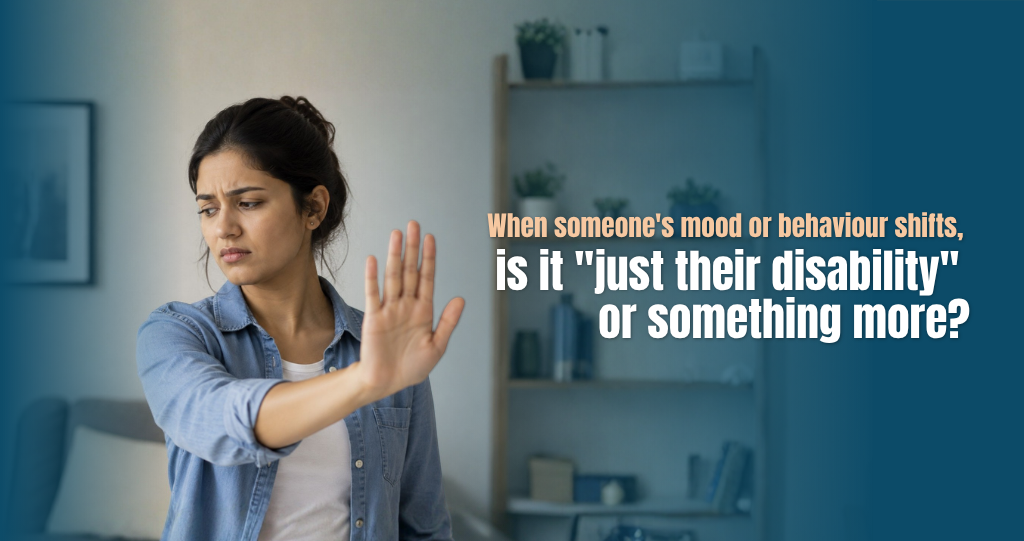
You've seen it. A participant with an intellectual disability starts sleeping less, withdrawing, snapping at staff, or quietly stops doing things they used to manage on their own. The support team shrugs: "that's just how they are." Sometimes it is. But often it isn't. One of the most common things missed in disability support is a treatable mental health condition sitting underneath the disability, mistaken for the disability itself. If you've ever watched a situation get labelled "behaviours of concern" with no real plan attached, you already know the gap.
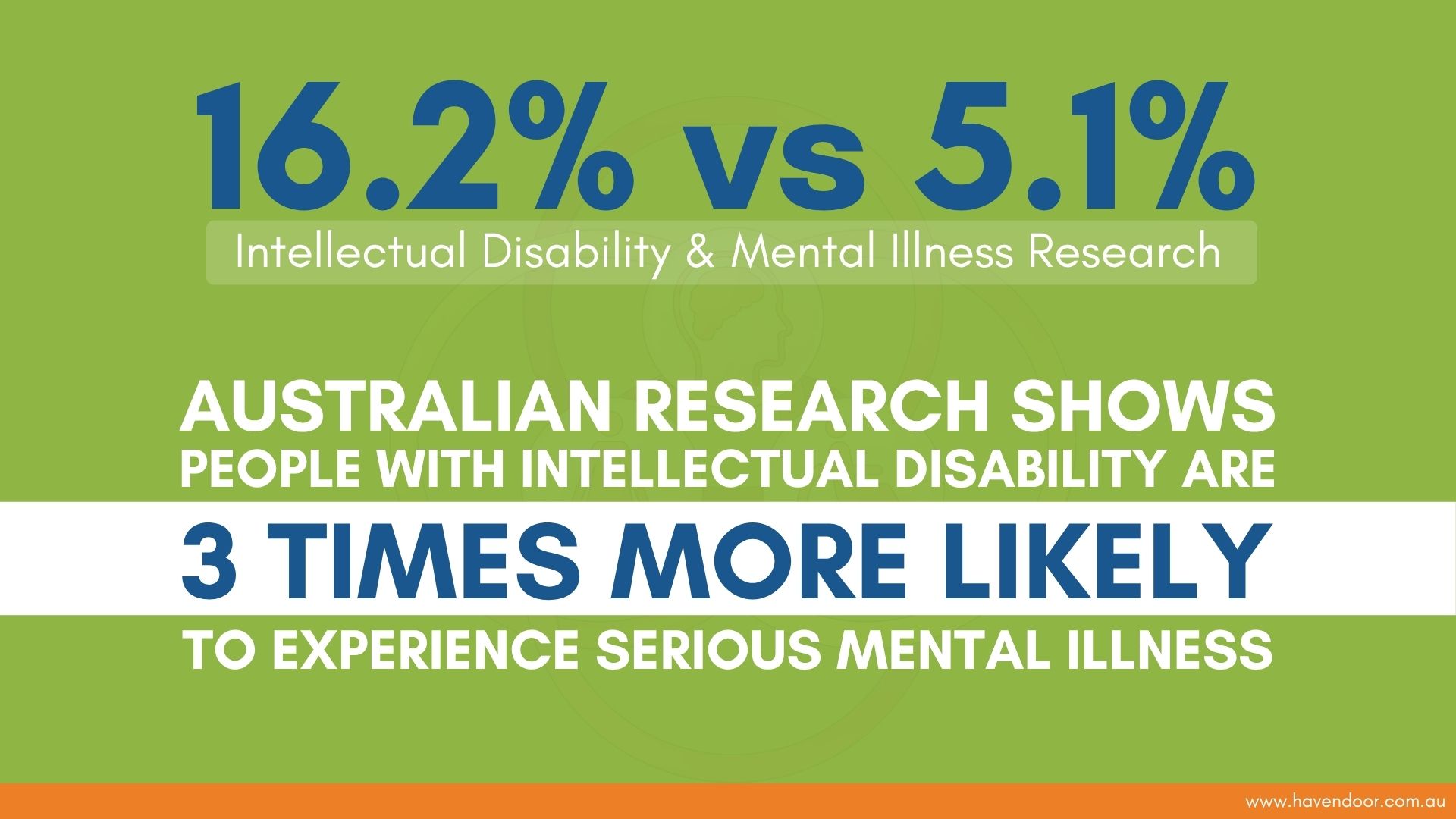
Here's the reframe worth carrying into the next conversation about their support. A change in behaviour is often a mental health need expressing itself in the only language a person has available; it is not simply "their disability", and it is not something to manage away with a tighter roster and a quieter activity schedule. People with intellectual disability experience anxiety, depression, trauma responses and psychosis at higher rates than the general population, not lower. The difference is that they are often less able to say "I feel anxious" out loud, so the distress shows up as agitation, withdrawal, sleeplessness, or a skill they suddenly lose. Read as behaviour, it gets contained. Read as a mental health need, it gets supported. The first keeps a person busy and safe-ish. The second helps them recover.
The clinical name for the trap is diagnostic overshadowing: when a person has an intellectual disability, new or worsening mental health symptoms get attributed to the disability and stop being investigated. "He's always been like that." "That's the disability talking." "She gets like this sometimes." Once a behaviour is filed under the disability, nobody goes looking for the depression, the grief, the medication side effect or the trauma trigger underneath it. The plan treats the surface, and the real driver keeps running.
This is the gap our Mental Health Nurses are trained to close, and it's why they're involved from the first meeting rather than called in once things have escalated. They're listening for the difference between a long- standing trait and a recent change, because a recent change is almost always information. A person who has coped for years and suddenly can't is telling you something. The skill is in hearing it early, before it becomes a crisis, an escalation, or a hospital admission.
Scene 1: A participant in a group home has started refusing to leave his room and snapping at staff. The notes read "behaviours of concern". The response is a behaviour plan, a calmer activity schedule and closer monitoring. He stays in the home, stays "safe", and stays miserable. Three months on, nothing has really changed except that everyone has quietly adjusted to him being like this.
Scene 2: Same man, same room, a team reading it differently. Someone notices the change is recent and asks what shifted: a housemate he was close to moved out six weeks ago. The withdrawal is read as grief and a broken routine, not defiance. The plan rebuilds connection slowly, the same familiar worker each shift, and a check on whether low mood has tipped into something his GP should see. Within a few weeks he's leaving his room again, not because he was managed, but because someone treated the distress as real.
You don't need to be a clinician to pressure-test whether a participant is getting mental health support or just behaviour management. These are the questions worth asking any provider, including us:
- Is this behaviour long-standing, or is it a recent change? A recent change should trigger a look at mental health, not just a behaviour plan.
- Who provides clinical oversight here, and from what point in the service? "We bring someone in if it escalates" is a very different answer to "clinical eyes are on this from the first meeting".
- When the behaviour appeared, what got checked first: the environment, a loss, sleep, pain, medication, or none of the above?
- How will you tell the difference between distress and disability, and who makes that call?
- What happens the day a shift can't be filled? Consistency isn't a nicety for this group; a parade of strangers can make mental health symptoms worse.
- How and when will you tell me if something goes wrong?
- If you can't safely hold this participant, will you say so honestly at intake, rather than three weeks in?
If a provider can answer these without flinching, the person you're advocating for is in steadier hands. If they can't, you've found that out early, in a conversation, rather than in a crisis.
A blog can't tell you what's going on for a specific participant, and neither can any provider from the outside. HavenDoor's supports are overseen by Mental Health Nurses, but we're not anyone's treating team. Diagnosis and treatment sit with a GP, psychiatrist or treating clinician. What good support does is notice early, steady the person around it, and make sure the right clinical help gets called in.
The encouraging part is that for this group, the difference between getting by and getting better often comes down to one thing: someone reading the distress correctly and responding to the person, not the label. That's a learnable, repeatable skill, not a miracle. It's the work.
If a family member or a client has an intellectual disability and a mental health picture that previous providers have struggled to hold, that's exactly the kind of support we're built for, across Orange, Dubbo and Bathurst. Call Nelson on 1800 97 85 85, for an honest answer on capacity, including if the answer is "not right now".
Latest Posts