
The Importance of Staying Connected with Community Mental Health Supports
When someone is in crisis, the mental health system mobilises quickly. Hospitals, crisis teams, and clinicians step in with urgency and care. But once the immediate danger passes and a person returns to the community, the scaffolding often falls away. The supports that held everything together during crisis become sporadic or difficult to access.
For many people, this is the moment of greatest risk.
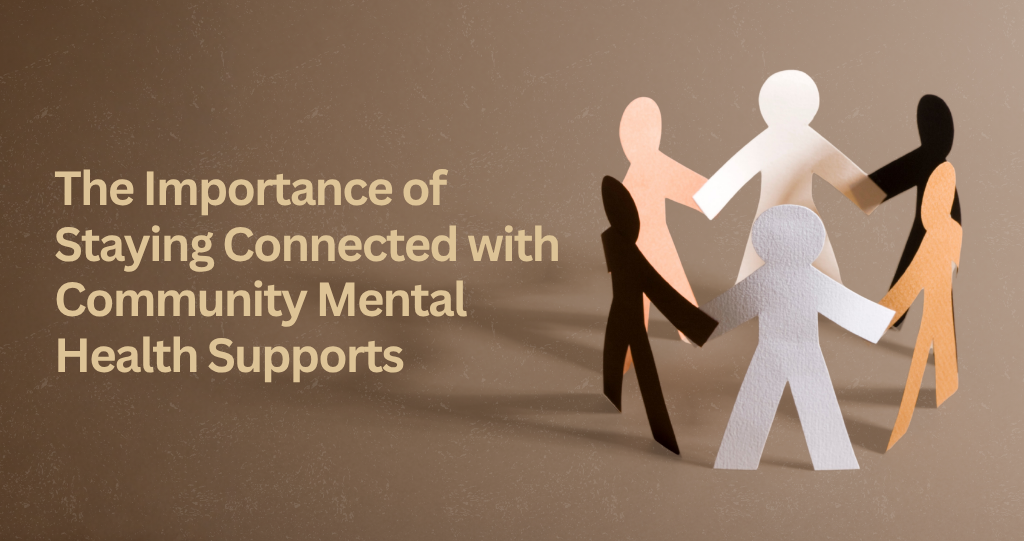
Staying connected with community mental health supports isn’t just helpful - it’s protective. It keeps people grounded, monitored, and supported in the everyday realities of life. Tragically, Australia has seen what can happen when people become disconnected.
What the Bondi Inquest Taught Us
The inquest into the 2024 stabbings at Bondi Junction Westfield highlighted a painful truth: people with complex mental health needs can, and do, fall through the cracks. The inquest found that the perpetrator had become disconnected from clinical care, without stable housing and no integrated community supports. He was described as being “lost in the system”.
The coroner’s findings were clear. Australia needs better integration, better follow-up, and more supported accommodation for people living with mental illness. Disconnection is not a personal failure. It is a systemic one.
When Services Are Under-Resourced, People Fall Through the Gaps
Community mental health services across Australia are under immense pressure. The very teams responsible for keeping people connected are stretched thin.
- NSW has a 29% shortfall in service capacity for people with severe or complex needs - around 58,000 people missing out on care.
- Community mental health staffing per capita has declined over the past decade, despite rising demand.
- Psychologists, peer workers, and Indigenous mental health workers are all well below recommended workforce levels.
When community mental health teams are under-resourced, they simply cannot maintain regular engagement with everyone who needs it. People drift away from care not because they want to, but because the system cannot support them.
Can NDIS Accommodation Help Keep Mental Health Support Connected?
For people with psychosocial disability, NDIS SIL funding can be a powerful tool to ensure mental health support continues as part of everyday life.
When SIL providers build mental wellbeing support into the living environment, with clinical oversight and trained staff, the home itself becomes a stabilising force.
A well-designed SIL environment can act as the continuity layer that the public system cannot always provide. It keeps people connected, monitored, and supported — not just during crises, but every day.
Best Practice is a Network
The safest and most effective approach is a network of supports - not a single clinician nor a service operating in isolation. This includes:
- A clinical lead
A GP or psychiatrist who oversees care, with clear plans for reviews, medication monitoring, and escalation.
2. Shared care with mental health nursing
Mental health nurses bridge the gap between hospital, home, and community. They monitor early warning signs, support medication safety, and coordinate with other clinicians.
3. Integrated psychosocial supports
People need more than symptom management. They need:
- daily living skills
- routines
- social participation
- meaningful activity
- emotional support
4. Safe, stable accommodation with support built in, not bolted on
Housing is not just a roof — it is a clinical intervention.
When support is built into the environment, people stay connected.
When it’s bolted on, it falls off.
5. Clear pathways from hospital to home
No one should be discharged to a
hopethat home “works”.
They should be discharged into a coordinated, supportive environment that keeps them engaged.
How HavenDoor Builds the Protective Network People Need
At HavenDoor, we understand both the clinical realities and the community realities. We know how easily people can become disconnected, and how preventable that disconnection can be when the right supports are in place.
Our model is built deliberately to hold people safe where the system often lets go.
- Supported accommodation with support built in
Our homes are designed for stability, routine, and connection. Support workers are trained to recognise early changes and respond with warmth, clarity, and professionalism.
2. Mental health nursing as the clinical backbone
Our mental health nurses:
link GPs, psychiatrists, hospitals, and families
support medication safety
monitor mental state
intervene early when things shift
ensure no one becomes “lost in the system”
3. Integrated psychosocial supports
We focus on:
- daily living skills
- community participation
- emotional regulation
- executive functioning
- building purpose and routine
4. Navigation and advocacy
We help people reconnect with clinical supports, understand their options, and build a sustainable network around them. HavenDoor doesn’t replace clinical care - we connect it, participate in it, and make it work in real life settings.
Conclusion: Staying Connected Keeps People Safe
Disconnection from clinical supports is a known risk, and a preventable one.
The Bondi inquest showed what can happen when systems don’t talk to each other, when housing is unstable, and when people drift away from care unnoticed.
Staying connected with community mental health supports and stable supported accommodation is not just important, it is lifesaving.
At HavenDoor, we build the supportive (and if needed protective) network people require to stay well, stay connected, and stay safe. Because recovery doesn’t happen in isolation. It happens in community, with the right supports, in the right environment, supported by people who care with skilled supervision.
Latest Posts