The Good Life Club: More Than Just a Day Program
If you’ve been looking into Social & Community Participation, you’ve likely seen a familiar pattern — plenty of activities, but not always a clear sense of what those activities actually build.
That’s where The Good Life Club is different.
It’s not designed to simply fill time. It’s a structured program created to help participants grow in confidence, independence and connection through real, supported experiences in the community.
A Clear and Structured Approach
Many families and Support Coordinators tell us the same thing: programs can feel vague. You might see “art,” “outings,” or “social groups,” but it’s hard to picture what the participant will gain over time.
The Good Life Club was built to change that.
Everything in the program is intentional. Activities are chosen not just because they’re enjoyable, but because they build real-world skills — the kind that carry over into everyday life.
Participants aren’t just attending sessions. They’re part of a program designed to support progress in a way that’s visible, consistent and meaningful.
How the Program Works (and Why It Feels Different)
The Good Life Club is built around six Activity Streams. These give the program structure, variety and purpose — so participants can explore different interests while building a broad set of skills.
- StoryLab – Creative expression through photography, journaling, podcasting and art
- Life Ready Adventures – Real-world skills like shopping, budgeting, and navigating everyday situations
- Confidence Studio – Building self-esteem, communication and personal presentation
- Community Creators – Group projects like gardening, baking and creative collaboration
- MoveWell – Movement, fitness and wellbeing in accessible, enjoyable ways
- Adventure Days – Supported outings to explore the local community and try new experiences
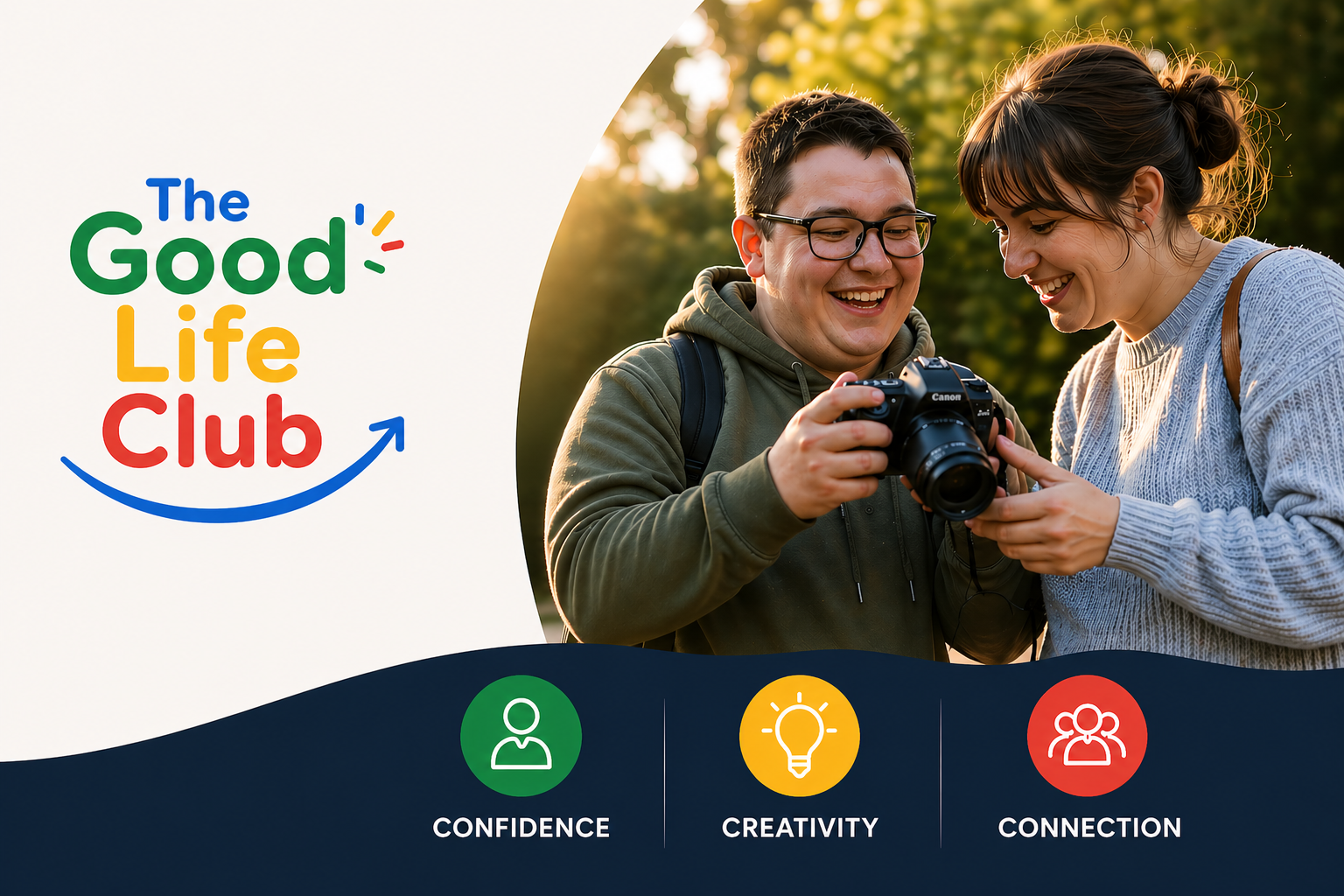
Together, these streams build three core outcomes:
confidence, creativity and connection — developed through experiences that feel natural, social and engaging.
What Participants Actually Do
A big part of what makes The Good Life Club effective is that it happens in real environments, not just inside a centre.
Across the week, participants might head out for a photography walk, meet at a café to practise ordering and social interaction, spend time in a community garden, or work on a creative project with others. Some days are active and social, others are calmer and reflective — but all are purposeful.
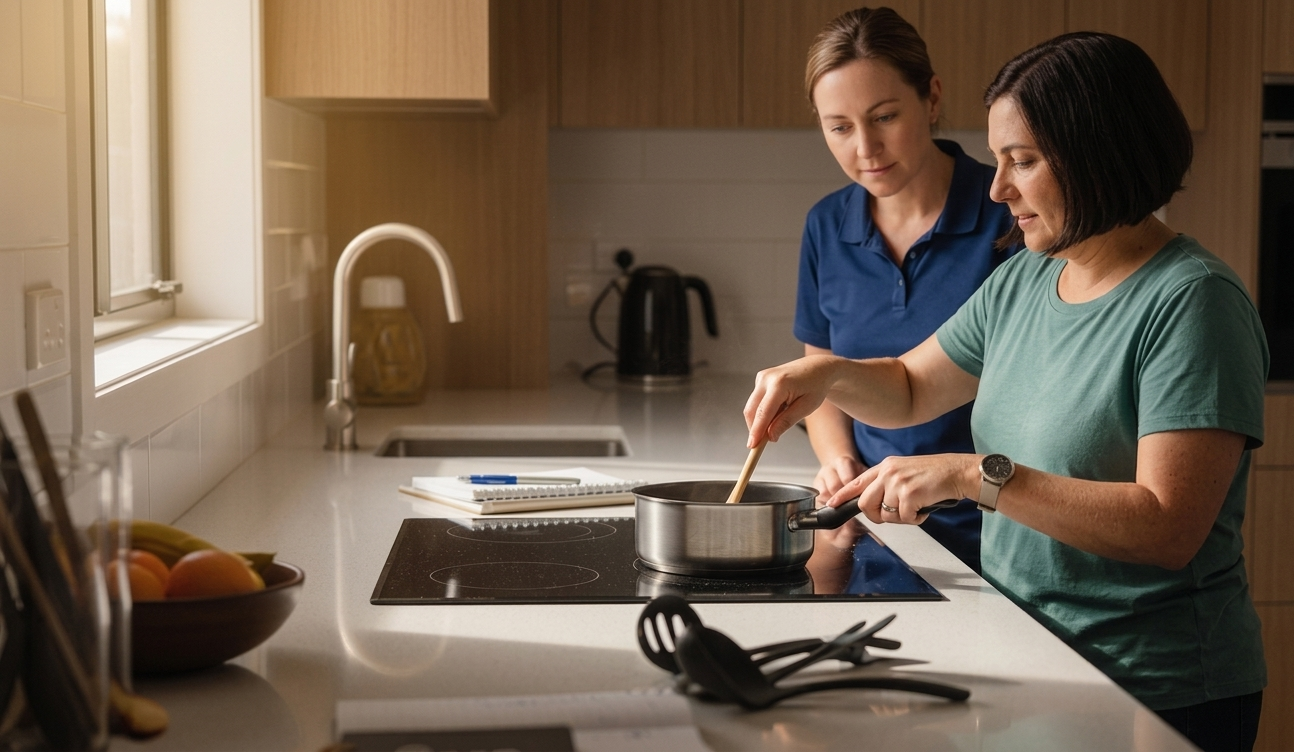
There’s also a strong focus on everyday skills. Simple things like handling money, making choices, communicating with others, or trying something new are built into activities in a natural, supported way.
The result is a program that feels enjoyable and varied, while still building meaningful capability over time.
For Families: Real Progress You Can See
For families, the difference becomes clear over time.
Participants aren’t just “busy.” They begin to feel more comfortable in the community, build genuine friendships, develop independence in everyday situations, and take pride in what they can do.
The program provides a safe and supportive environment, with staff trained in wellbeing and mental health-informed approaches. Participants are encouraged to try new things at their own pace, with the right level of support around them.
It’s about steady, real progress — not pressure.
For Support Coordinators: Clear, Outcome-Focused Delivery
For Support Coordinators, The Good Life Club offers something that’s often missing: a program that is easy to explain and justify.
Because the structure is clear and consistent, it becomes much easier to link participation to NDIS goals, particularly around Capacity Building and community engagement. Activities are not ad hoc — they’re part of a defined model that supports observable progress.
This makes reporting simpler, plan reviews more straightforward, and referrals more confident.
Built on Quality and Safe Practice
Underneath the program is a strong foundation of safety and quality.
Activities are delivered using predictable routines, clear communication and a strengths-based approach. Staff are trained to support emotional regulation, adapt activities to individual needs, and maintain safe, well-supervised environments — both in the centre and out in the community.
This creates a space where participants can feel comfortable, supported and ready to engage.
A Better Kind of Everyday
The Good Life Club isn’t just another program to attend.
It’s a structured, supportive way for participants to build a more confident, connected and capable everyday life — through experiences they genuinely enjoy.
If you’re looking for something that offers more than just activities, this is a great place to start.
Latest Posts